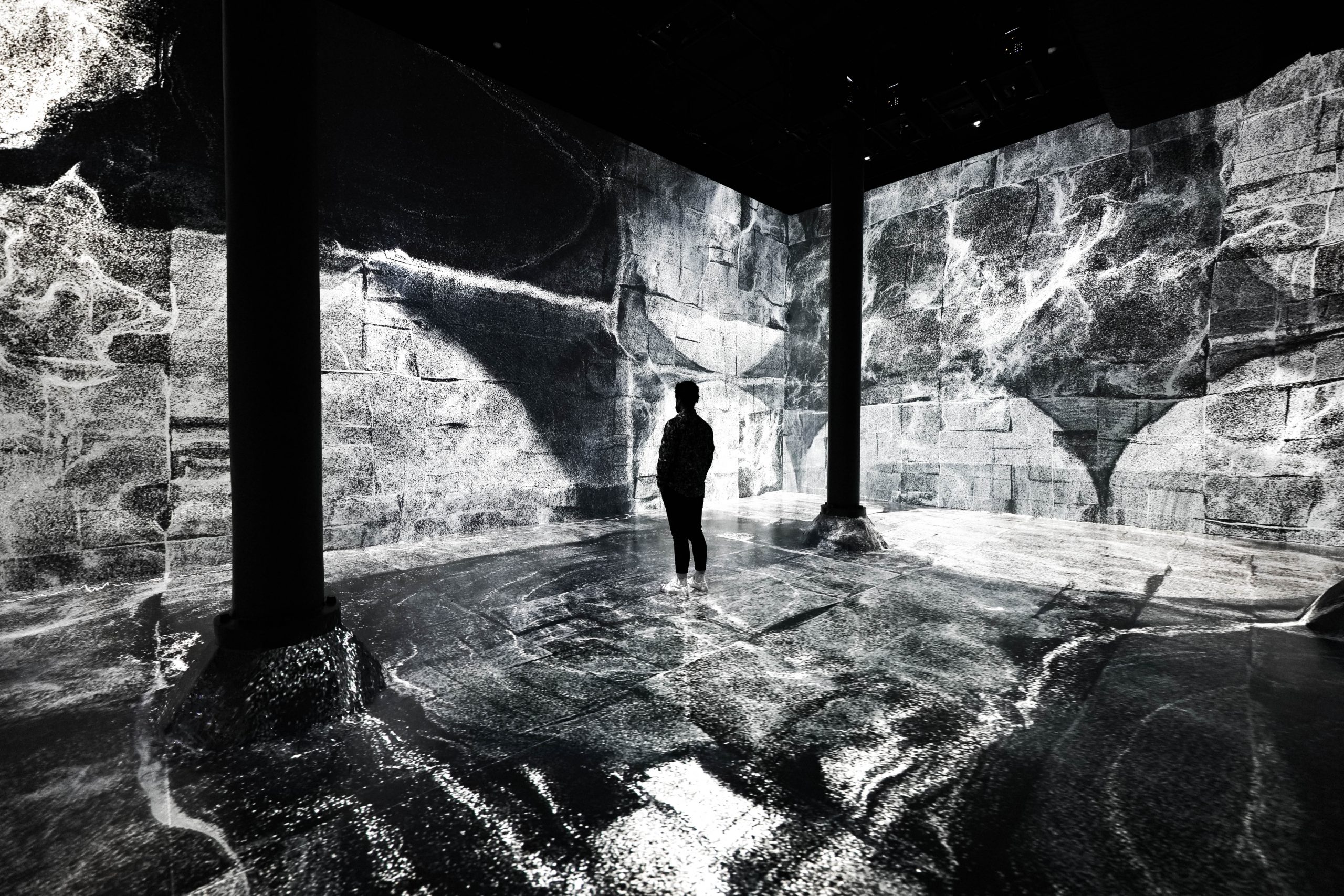
What can we define as art today, and what is its purpose? How do technology and science fit into the contemporary art scene?
Over time, art has always played a fundamental role in society as an expression of contemporaneity, where the meanings and functions attributed to it throughout history, from celebratory to innovative, have always reflected the values of the specific community living in that era.
The starting point of the discussion was the concept of “art,” which Marco Trevisan defined as a “cultural mediator, always able to simplify concepts that would sometimes be too complex for the general public to understand.”
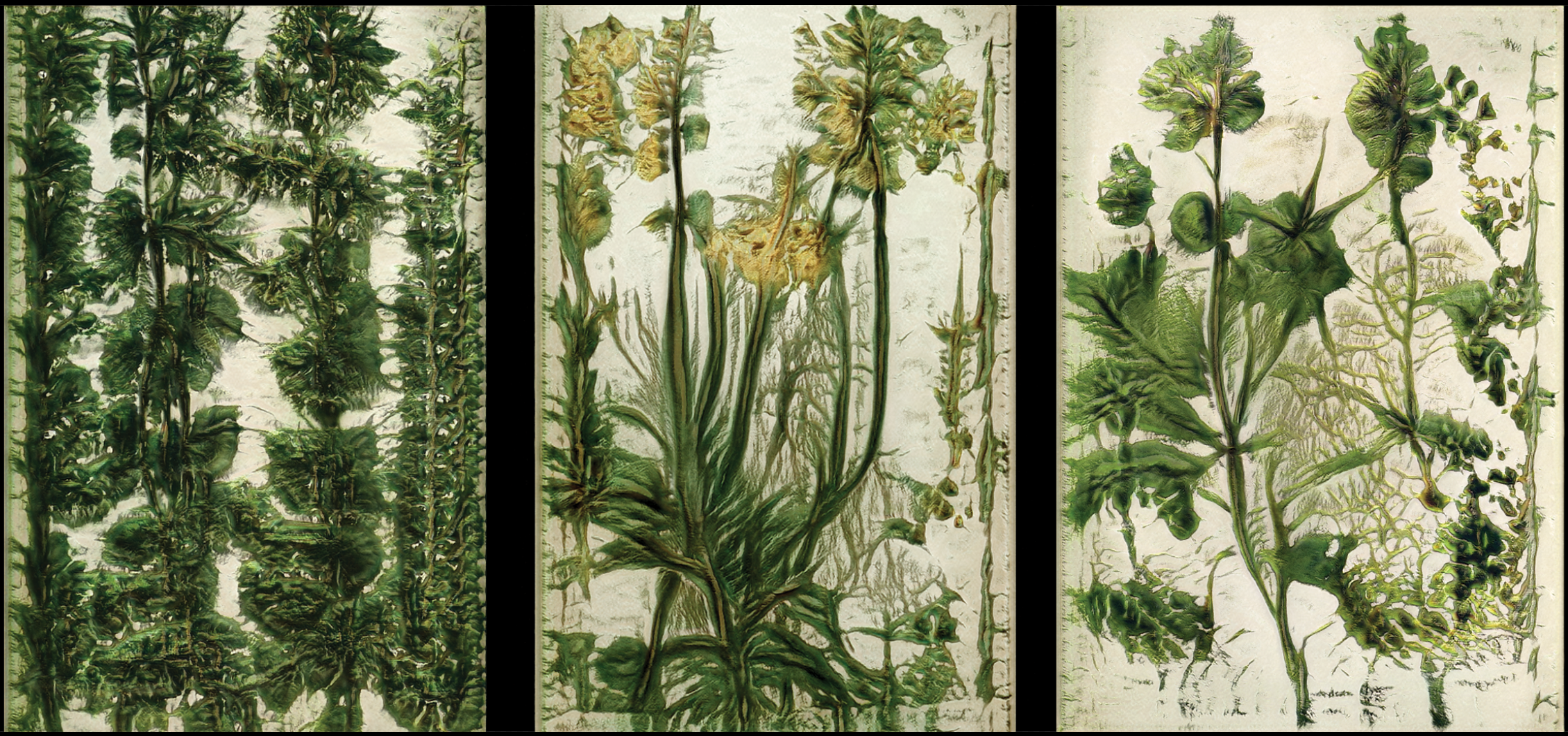
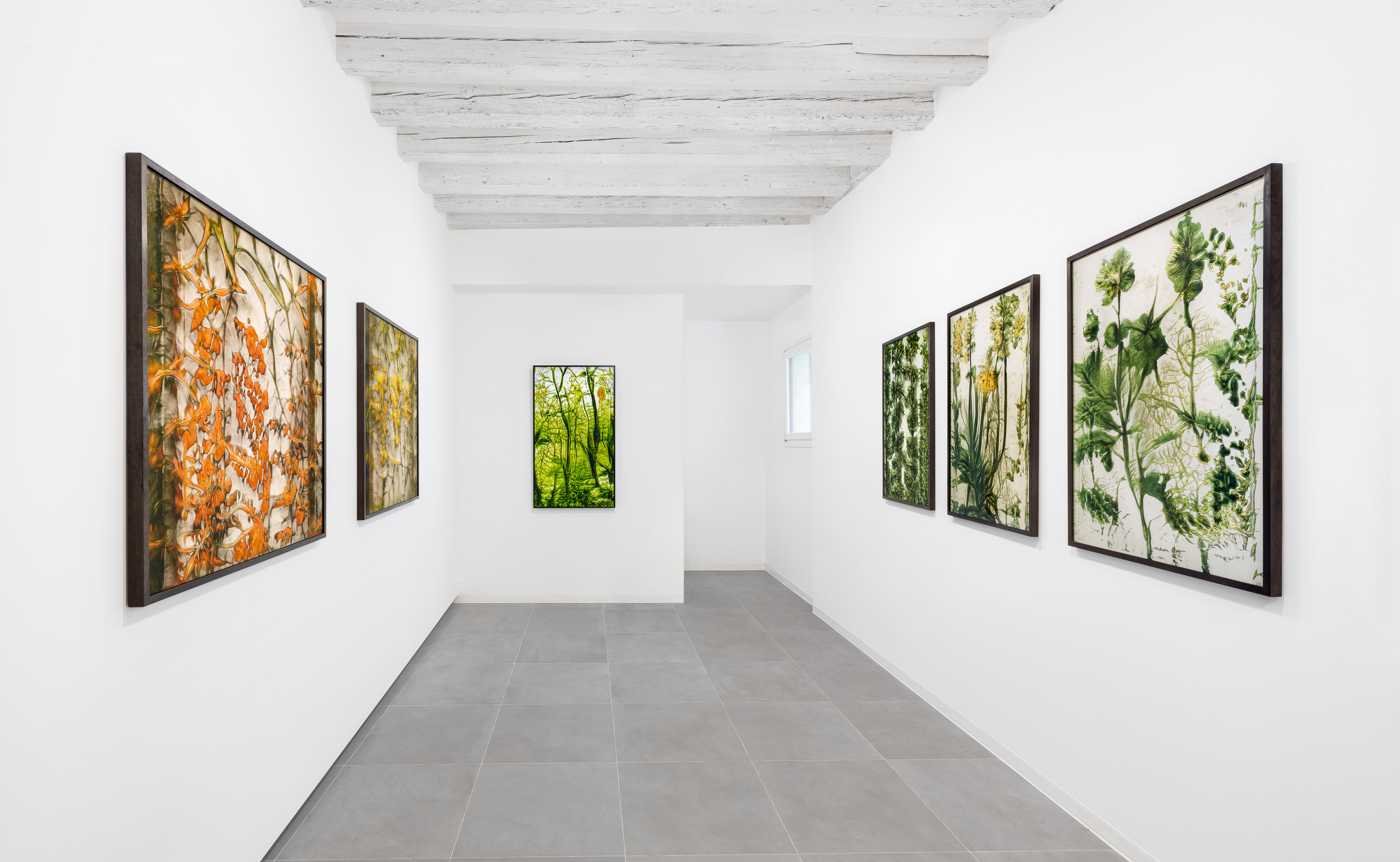
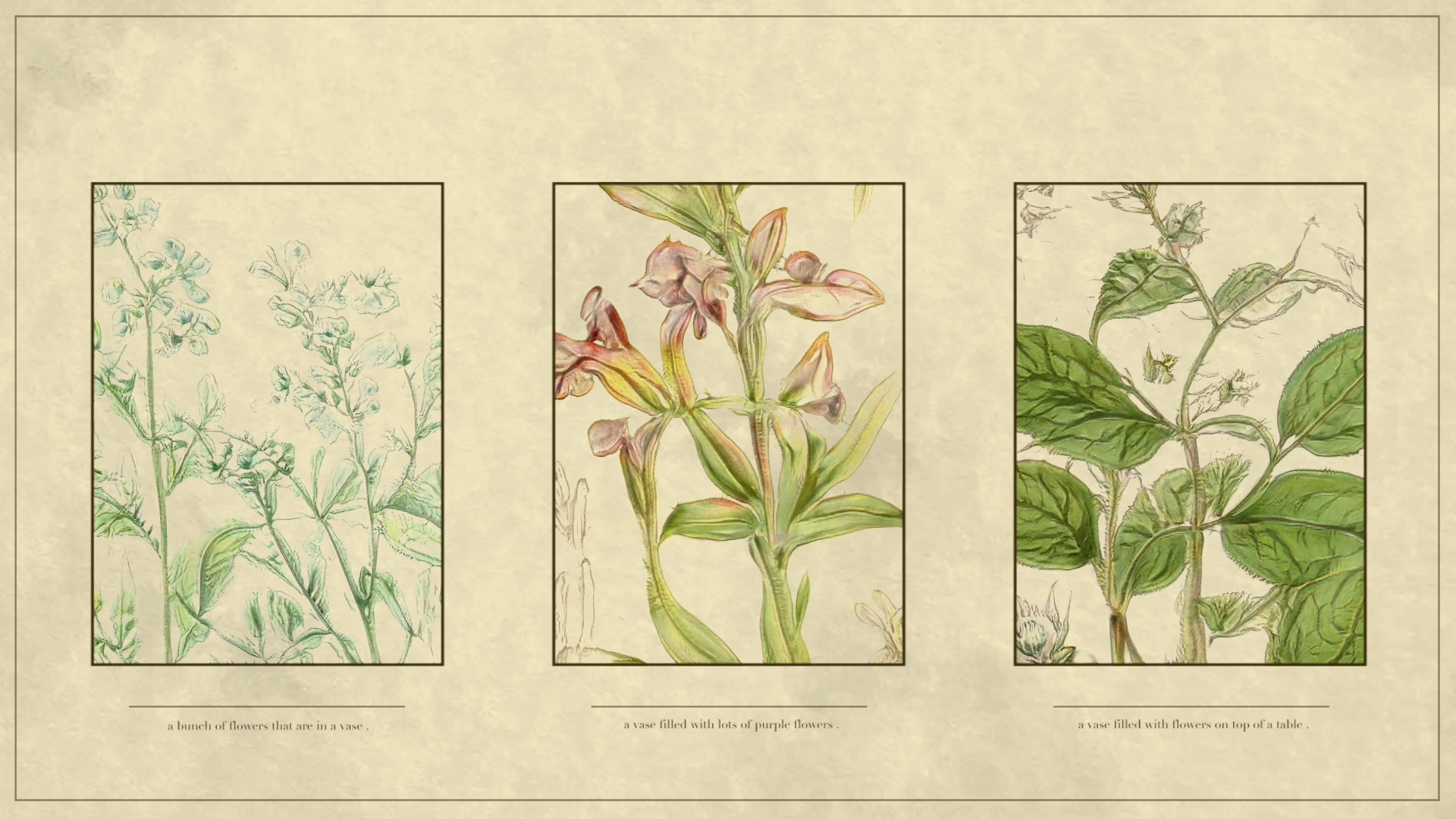
Studio fuse* represents a tangible example of the relationship between art, science, and technology, and through the realization of their projects they strive to “simplify complexity and give form to what does not yet have one.” Some significant projects, which synthesize this relationship and have been created by fuse*, include Artificial Botany which will soon involve the Botanical Garden of Padua exploring the latent expressive capacity of botanical illustrations through the use of machine learning algorithms; another project is Trust, which aims to analyze the impact of historical events on the level of trust within society up to the present moment, and considers how this relationship might evolve in the future.
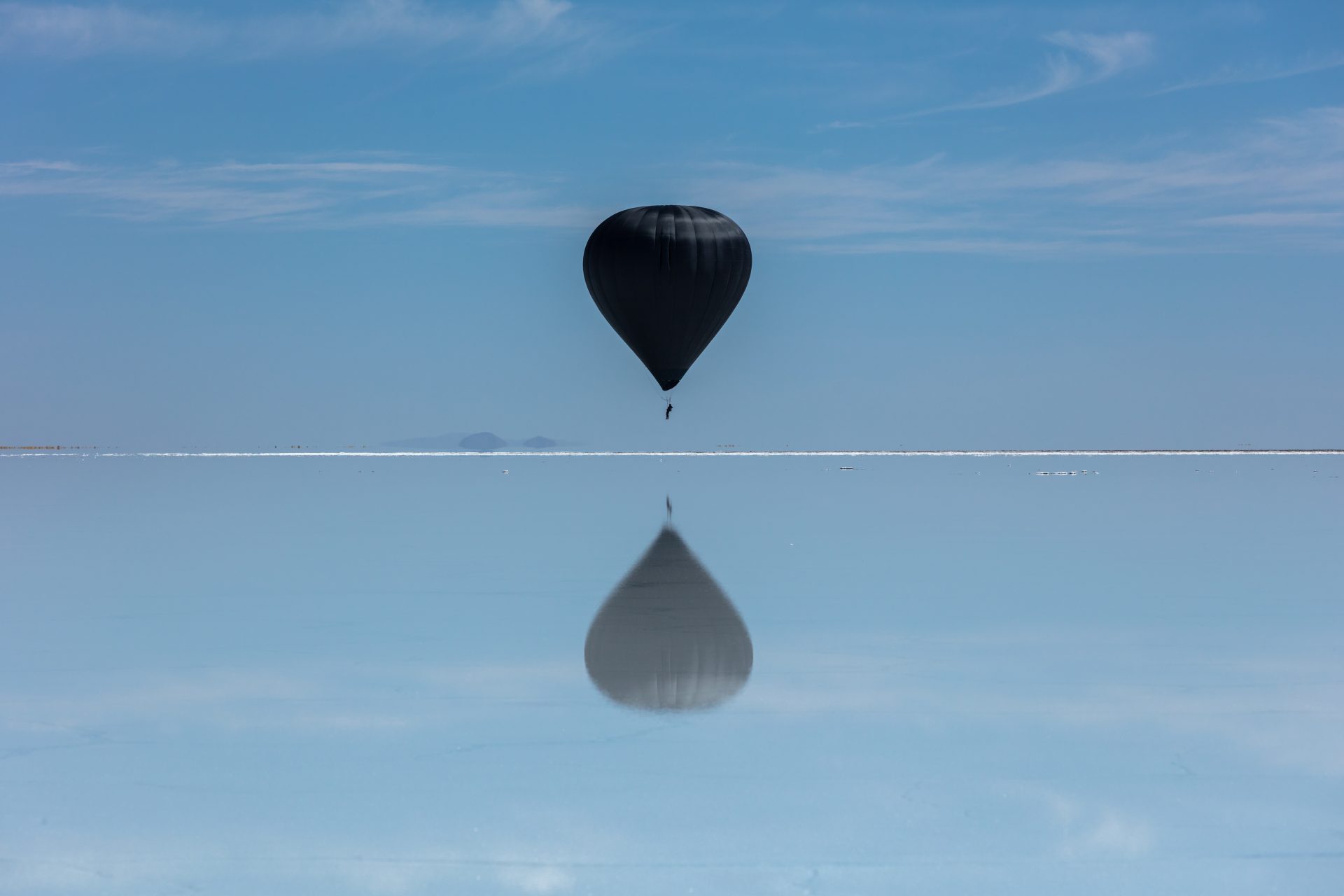
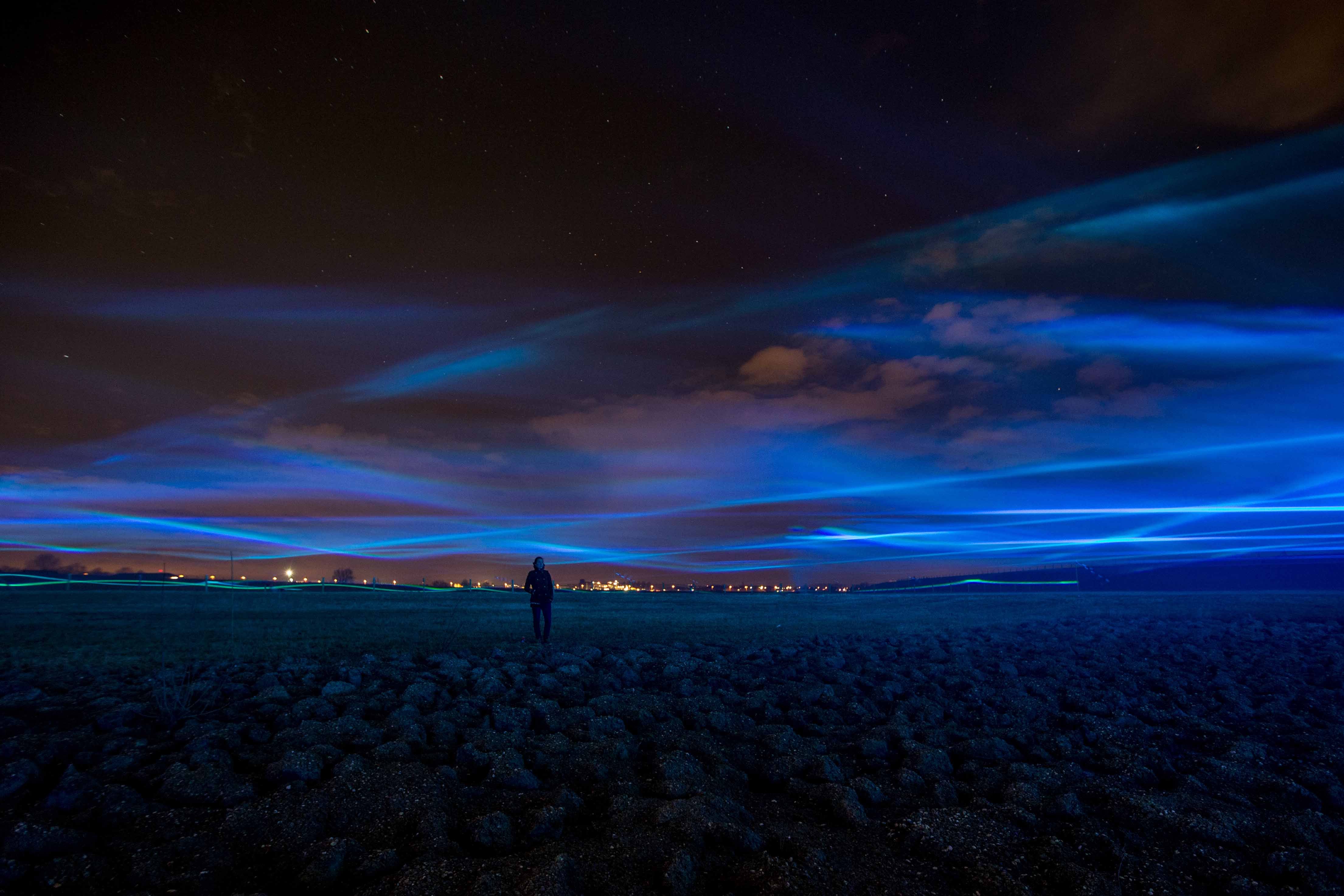
Other artists, like Daan Roosegaarde, who has made creativity his capital, see the possibility of creating a better future through the use of technology. Projects such as Waterlicht and the Smog Free Tower are proof of this. Another example is the artist Tomàs Saraceno, who in 2020 presented a flying sculpture titled Fly with Aerocene Pacha; a hot air balloon that managed to fly over the Argentine salt flats using only air and sunlight. It is a complex project that looks to the future, almost in a utopian way, envisioning a world that completely excludes the use of fossil fuels, batteries, or solar panels.
An artist figure that Vincenzo Trione defines as a “Neoscientist,” who engages with the world and relates to it differently than in the past because the very function of art has changed. In fact, Marco Trevisan, in his book Ars Factiva. The Useful Beauty of Art, almost provocatively emphasizes the meaning of the words “beauty and utility” as they relate to art; it is no longer about art for art’s sake, but rather about its “necessary non-autonomy today.” This is how art comes into contact with these new expressive means and becomes a tool of awareness, through which it addresses themes related, for example, to the environment, the future, and society in all its complexity. An art that Bruno Latour defined as “the aestheticization of science and awareness projects necessary for the historical period in which we live.”
The digital revolution has transformed behaviors and social relationships, and consequently, the role of the artist as well; today, artworks are often the result of multiple professionals and skills working together to achieve a common goal. Studio fuse* is an example of this — currently, the group consists of thirteen individuals with diverse backgrounds and expertise from various studies and experiences. There are several examples we can mention: Art at CERN in Geneva, the artist residency where artists and physicists collaborate closely on projects and topics of public interest; or the collaboration between Ouchhh Studio and NASA for the realization of the public installation DATAGATE.

Another example of an artistic intervention at the intersection of research, data, and social engagement was the project Human Architecture (Biennale Architettura 2018), created by Salvatore Iaconesi, Oriana Persico, and the Human Ecosystems Relations research center, with the participation of the Alberto Peruzzo Foundation. The project consisted of collecting public conversations and transforming them into visual and sound architectures, where data was at the core of a cultural action aimed at involving the community. From this, it emerges not only how expressive means and the role of the artist have changed, but also how we have moved from a condition of creative individualism to collective creation, a participatory art that completes itself with the spectator and produces a different experience and result each time.
In conclusion, the “digital revolution of art” has led to two essential transformations: the way art is made and the role of the artist. Every day we are called to engage with the use of new technologies in the artistic field, and this is how the boundary between art, science, and technology becomes increasingly blurred.