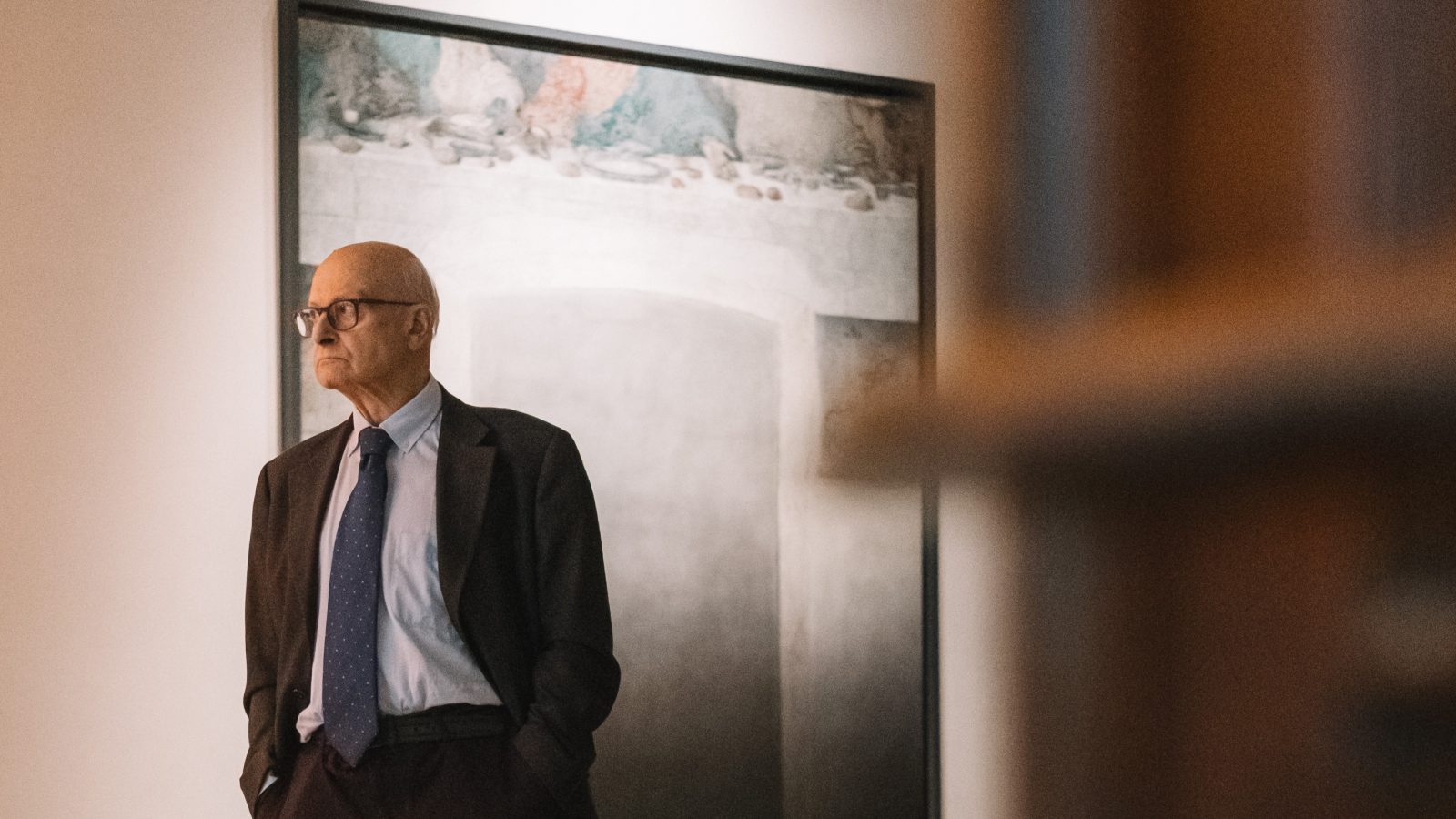

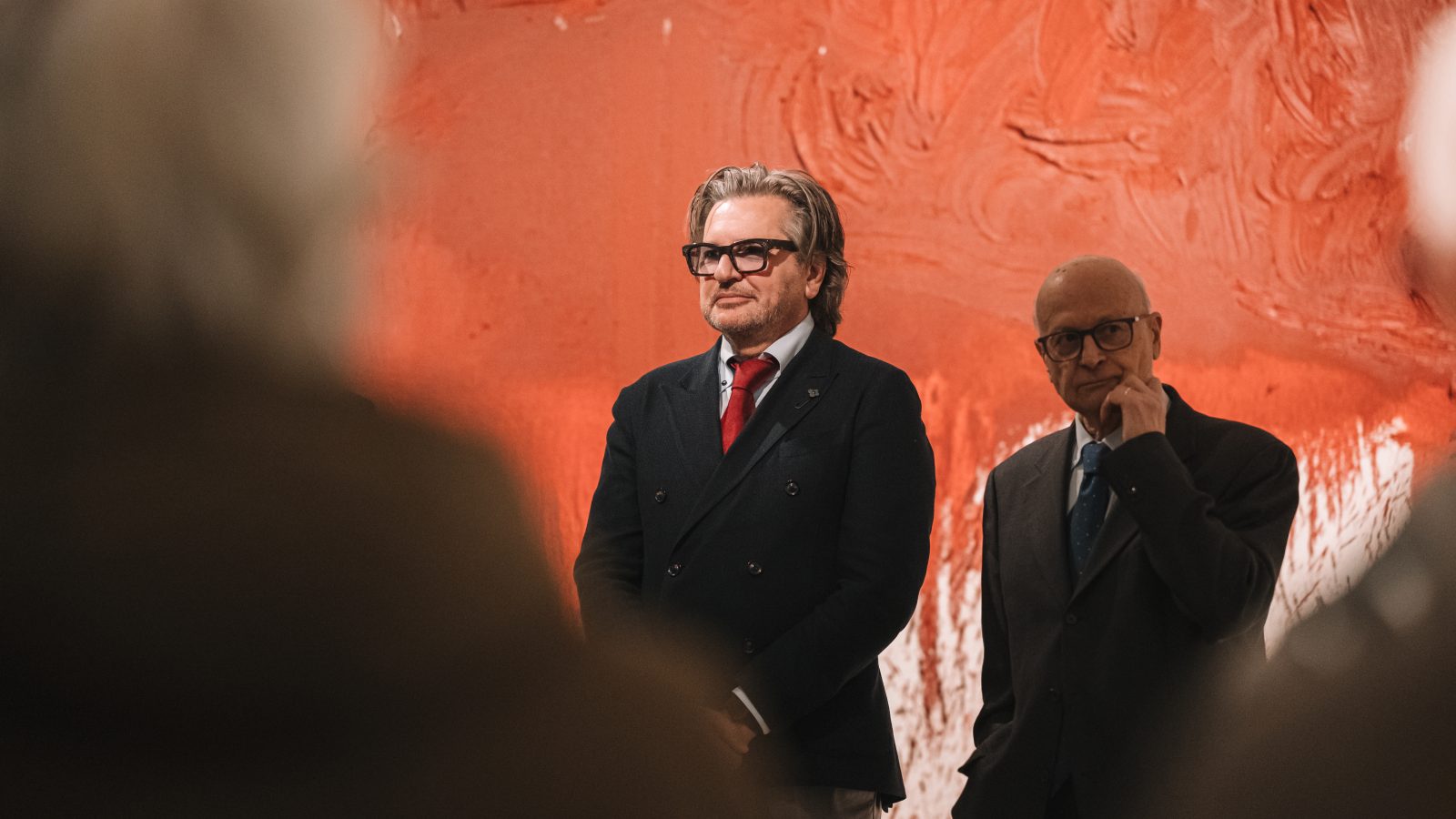
On the nightstand next to the bed I have a Braun alarm clock, one of the black, plastic and battery-operated ones. It’s an everyday object, which I now recognize even by touch, when perhaps I reach out in the morning to turn off the alarm and indulge in those famous “five more minutes”, which seem the most beautiful of an entire night’s sleep. […] What does this small domestic confidence have to do with the compared collections of Alberto Peruzzo and Agi Verona (who is Anna, with her husband Giorgio Fasol)? More than it may seem at first.
Let’s start by comparing that table clock – or rather, night clock – with the collection, with our own collection (of works of art, but also of something else). It’s something that belongs to us, that is, to our daily life, to everyday life, and if someone, who was not a collector of anything, were surprised by the familiarity with which a collection is lived, we could answer that for the collector it exists every minute of his day, even if it was not absolutely visible, because a collection is like a sort of “prosthesis” of the personality of those who own it, an extension of subjectivity, an ostension of character. Now, if the collection accompanies the collector throughout his life, and for many years, the works of which it is composed, day after day, are charged with a familiarity and a custom that, in fact, is a “mirror” that reflects the image of its builder.
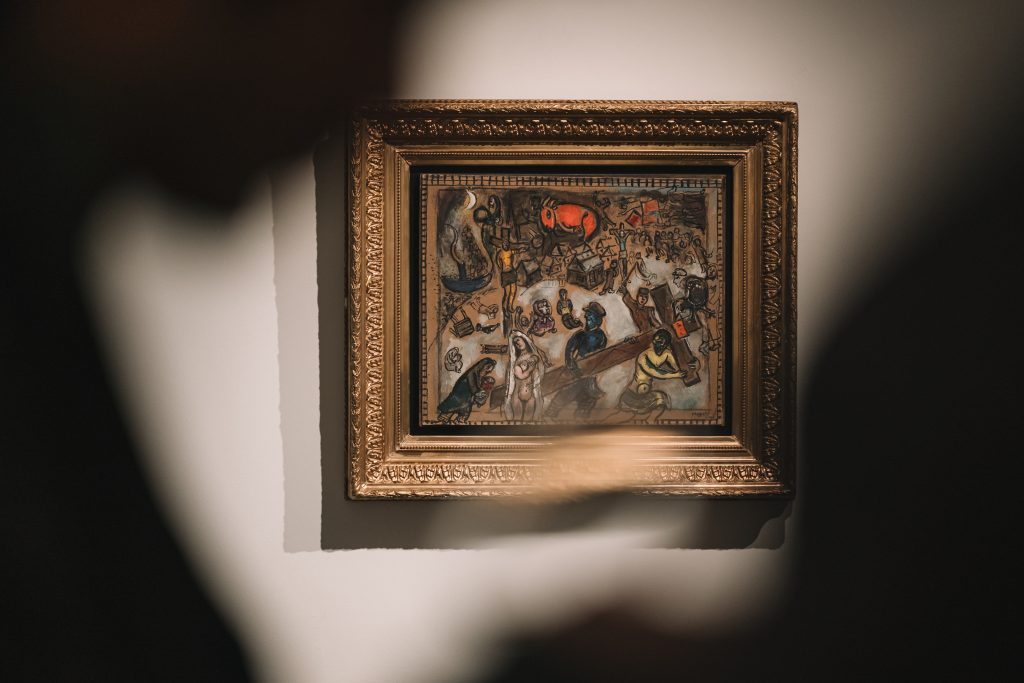
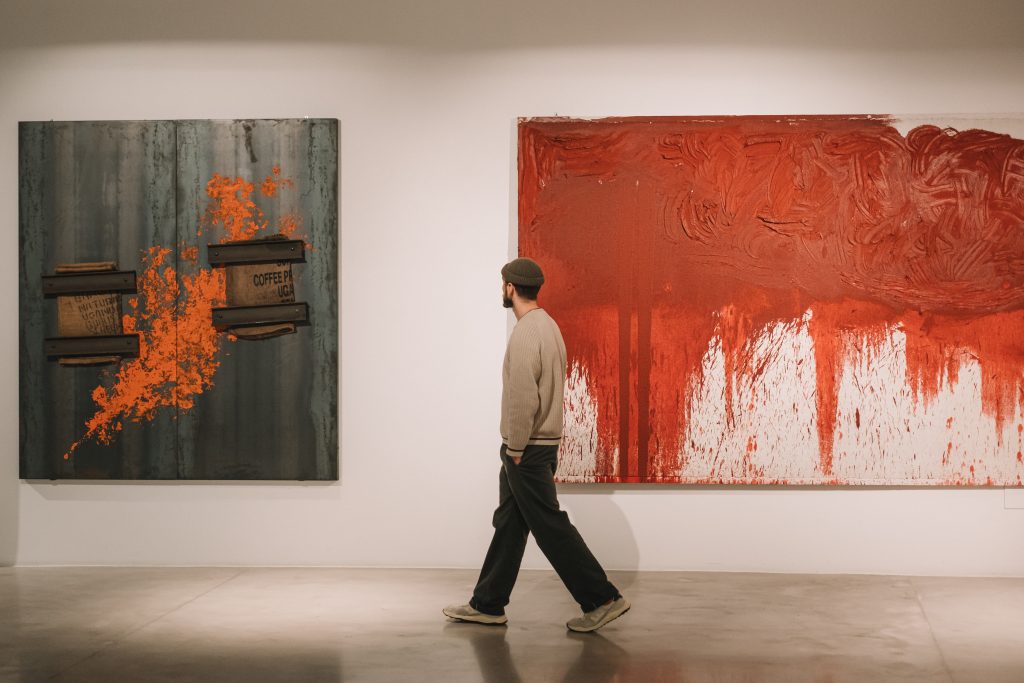
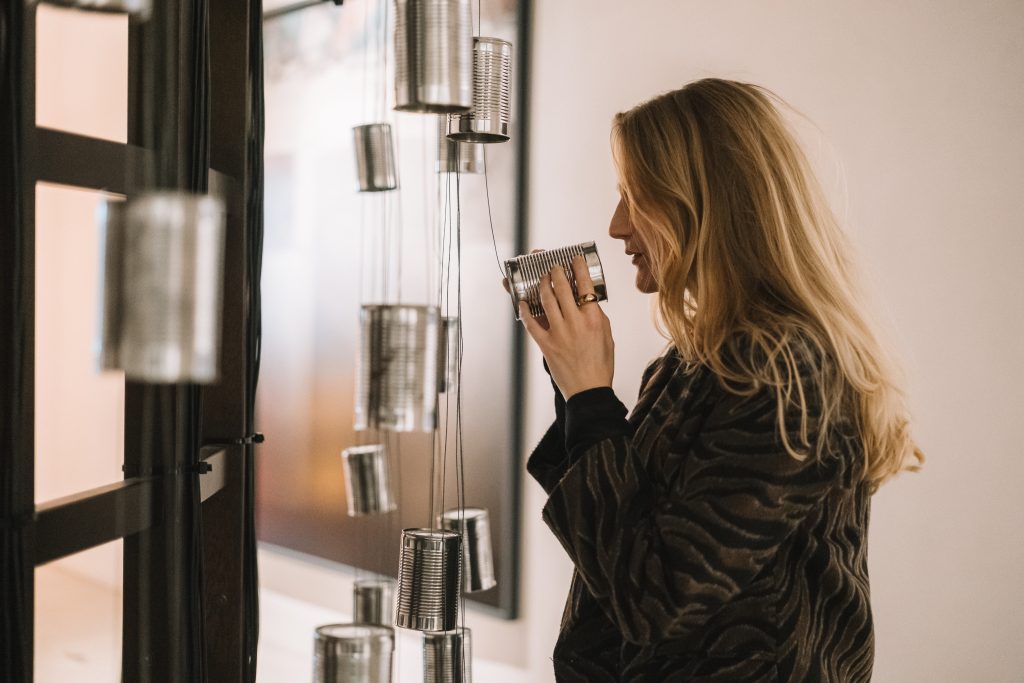
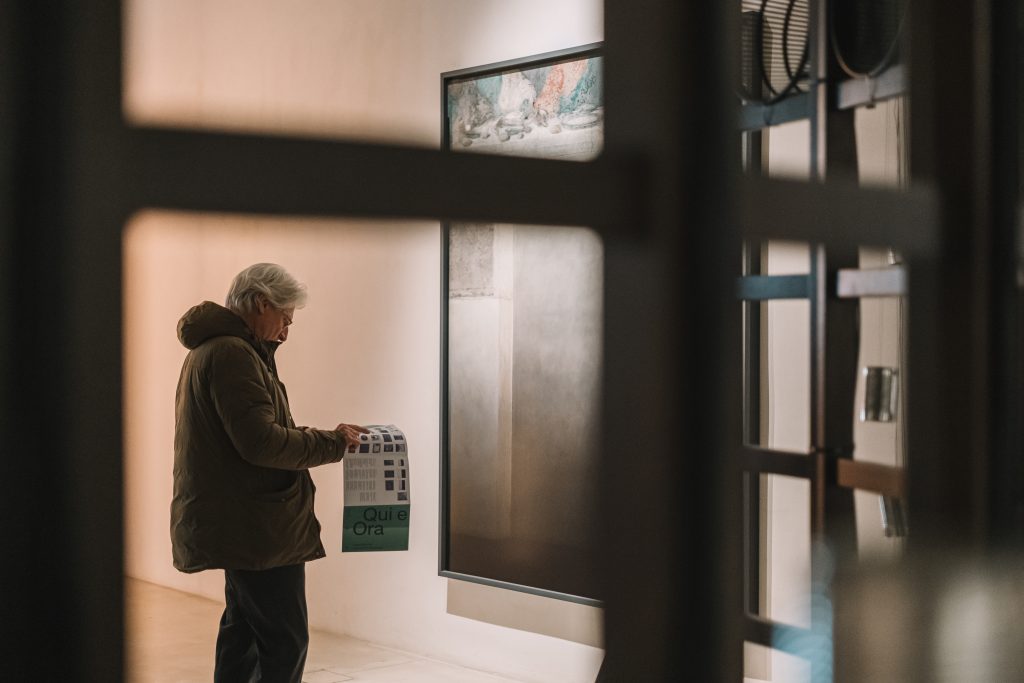
The Peruzzo collection and the AGI collection by Giorgio and Anna Fasol are so different from each other that at first glance they are almost incomparable, even if there are points of chronological and expressive tangency in the –shared– choices between the works of the third millennium: essentially the first is centered, with some exceptions, on Italian art, the second on the international art of the new generations, presented in major international exhibitions during the last quarter of century. This consideration alone raises a series of questions, which arise not from the specific characteristics of the individual collections, but from their comparison.
Certainly the chronological and historical aspect has the greatest importance: what was once, if not revolutionary, at least extremely new in terms of trend and language, now appears to be entrusted to history and, indeed, tradition. For example, the presence of the “picture-form” is enough to place the work within the realm of history (which does not yet mean in tradition or, worse, in the past), and this implies that now the use of materials that are completely heterogeneous with respect to those of the “representation” no longer constitutes an element of scandal, and is even “authorized” even if one wanted to “represent” or “narrate”.
The second question triggered by the comparison of the collections is whether there is still a common cultural connotation in artists who come from a generally identified culture: there is still, for example, an “Italian culture” – or even a European culture – which translates into ideas, subjects, forms, expressions, stylistic features that are recognized as identity-based and collective, or instead today the common ground, the “culture broth” from which artists derive the stimuli for their work comes and produces a great linguistic, global and globalized koiné? Our exhibition cannot provide definitive answers, for the simple fact that statistically the works presented are too small to derive anything reliable, but it certainly hovers over the exhibition, if only for the intrinsic characteristics of the two collections: if the celestial grace of a work by Giuseppe Santomaso could not belong to the cultural imagination of Marc Chagall – and vice versa -, there is no such marked difference, in none of the works of the younger artists, present both in the Peruzzo collection (Arcangelo Sassolino) and in the entire AGI-Fasol selection.
*extract from the critical text accompanying the exhibition Qui e Ora. Due collezioni nello spirito del tempo.