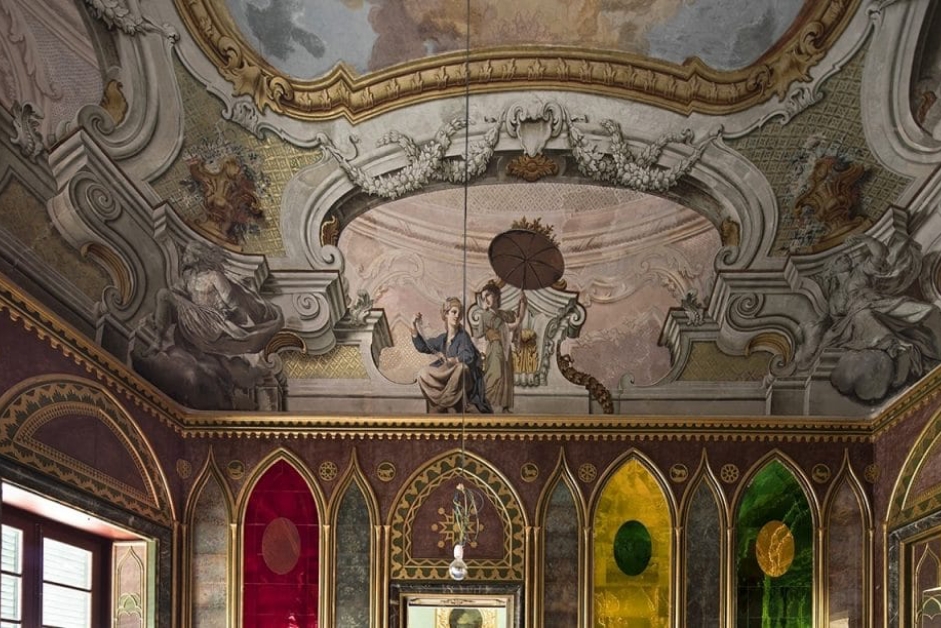
In one of Palermo’s most beautiful noble palaces, Palazzo Butera, overlooking the famous Via Kalsa, an ambitious project/laboratory focused on European identity has been taking shape for a couple of years, using art as both a lever and a stimulus. Purchased in 2016 by Massimo and Francesca Valsecchi, the palace once hosted Grand Tour travelers, European kings, Nelson, and William II. Since the acquisition, it has undergone a comprehensive restoration coordinated by the new owners: a full structural and artistic intervention, along with an architectural and museographic project, with the intention of opening the monumental site to public access.
Work is still ongoing, but some rooms of the palace were inaugurated during Manifesta 2018. Upon completion of the restoration project, the palace will become an open laboratory for the city, using history, culture, science, and art as catalysts for social development. On the ground floor, there will be a reference library, spaces for temporary exhibitions, and educational activities aimed at school and university students. The first floor will remain private and will be developed into a house-museum project, while the second noble floor will be open to the public. Artists, curators, and cultural figures may be hosted in the guesthouse, where they can work on research projects for the exhibitions and activities held in the palace.
The art collections of Massimo Valsecchi and Francesca Frua De Angeli, which will be housed in the palace, are currently largely on loan to the Fitzwilliam Museum in Cambridge and the Ashmolean Museum in Oxford. The collections represent the pinnacles of artistic production from various historical periods and cultures, also serving educational purposes and fostering understanding of cultural differences.
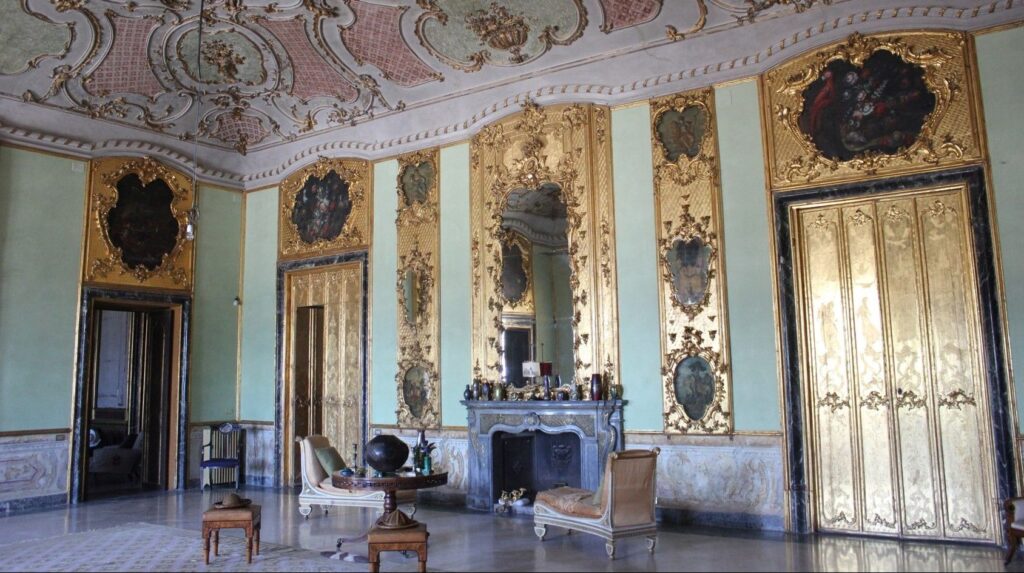
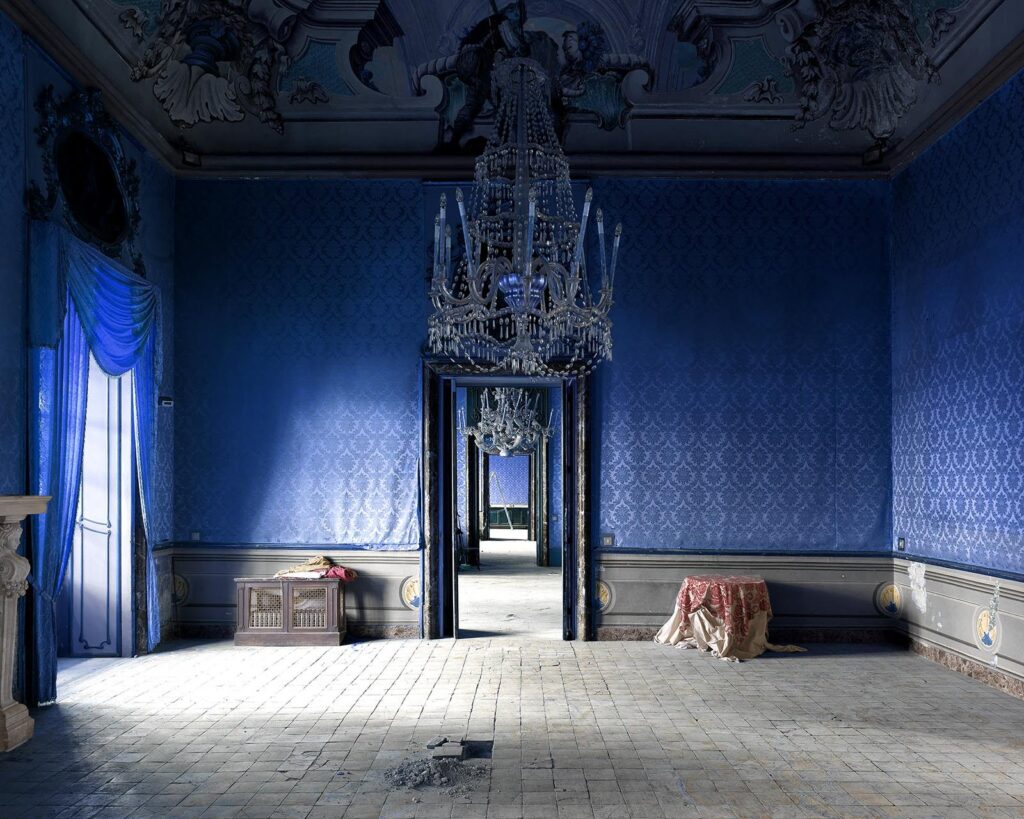
Massimo Valsecchi, a former broker and lecturer in the history of industrial design, stated: “I would like Palazzo Butera to become a point of contact between Palermo and abroad, something that currently does not exist.” He emphasizes the open space, the involvement of the city and the university. The goal is to generate social innovation through art, history, and culture. One of the ideas, for example, is to create a school for upholsterers. The meeting of cultures relates to the theme of immigration: “I chose Palermo for this. Immigration is a problem that cannot be solved; Sicilians have been managing it for centuries, hospitality is in their DNA, they are a superimposition, an overproduction of cultures, from the Phoenicians to the dozens of languages you can hear spoken today in Ballarò.”
With the sale of a single painting, “Versammlung,” by Gerhard Richter for twenty million euros, Valsecchi nearly managed to finance the entire restoration operation of Palazzo Butera.
Marco Giammona, general coordinator of the restoration works, said to Artribune: “After having hosted a regional office and a school institute, in recent decades the palace was used as a reception hall, uses that led to the formation of layers and alterations that changed the original structure of the building. The removal of these layers was among the fundamental steps of the restoration. The work was carried out by over a hundred workers who operated under the supervision and refined aesthetic sense of the client, together with a team of architects, engineers, surveyors, and artisans. Contemporary interventions were also made to fulfill the palace’s new intended use, that is, a temple of beauty that Valsecchi will make available to the public.”
Finally: “The three flags that close the panels on the side, without rhetoric, that hang down quietly at the corner, as if they were a splash of color, as if they were flowers. I think the flags have, in this case too, like the flowers used in some works and on the theater stage, a meaning of noble mourning. He wanted to be extremely sober because he always kept firmly in mind the occasion for which he was working and the great respect for the three professors to whom this ‘fresco’ was dedicated. He never deviated from this rule, and every time he participated in a commemoration, he approached it with great delicacy. He did so for the painter Mario Mafai, who was one of his professors and for whom he was asked to collaborate on an exhibition. He made a simple gesture, putting a series of his iron sheets with bare shelves on the wall, upon which he simply placed, side by side, Mafai’s paintings, like taking him in his arms and nothing more. Mafai said that his generation was the ‘post-postwar’ generation and Jannis shared this spirit; therefore, his fragment necessarily arises after a tragedy, but it has a positive role. He is in love with the fragment that instantly brings back the flavor of a lost unity and preserves the rules of reconstruction in seed form.”