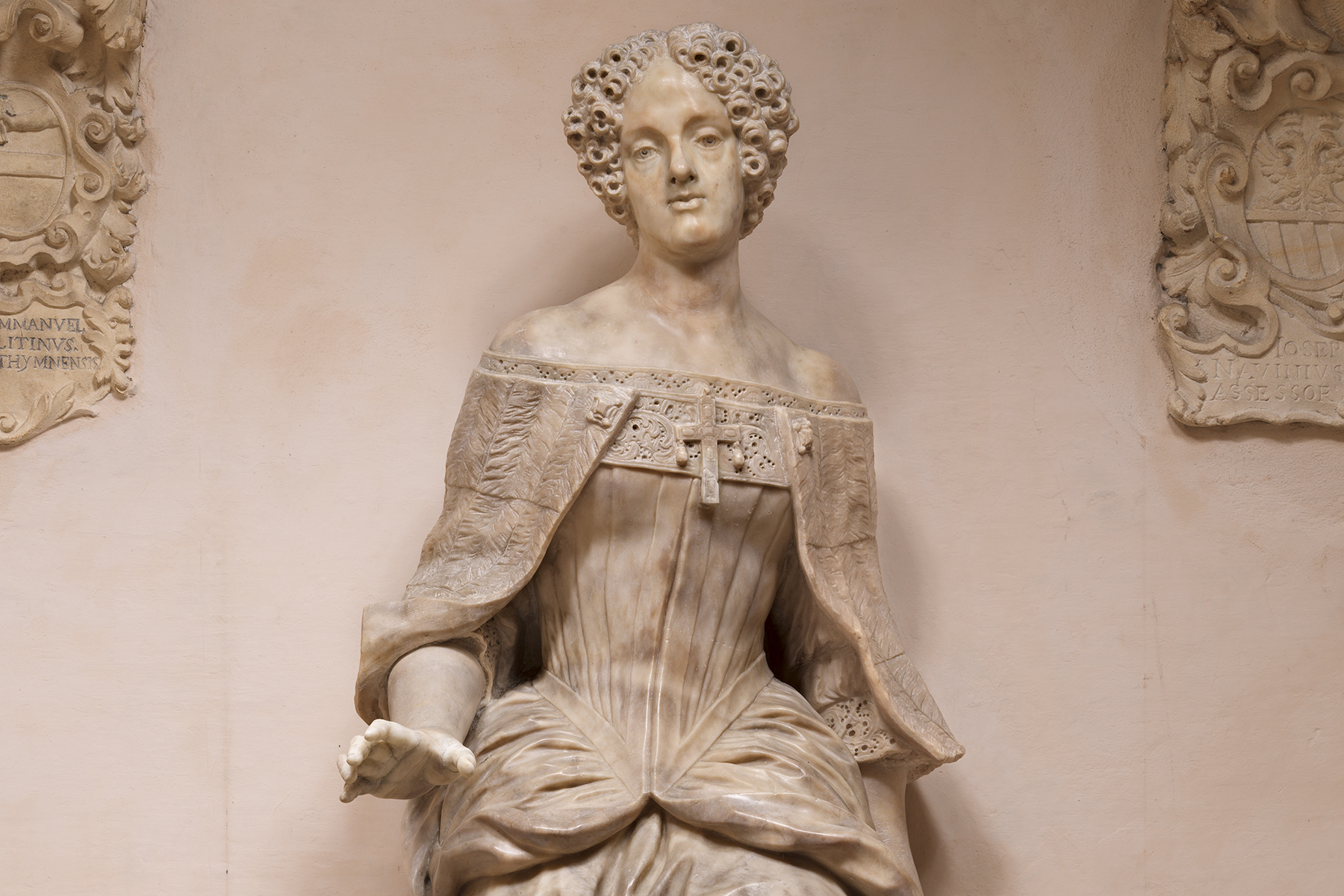
The project, initiated by the University of Padua in collaboration with the Alberto Peruzzo Foundation which produced a commemorative booklet on the occasion of the restoration of the statue of Elena Lucrezia Cornaro Piscopia, aims to honor the first woman to receive a university degree, in the year marking the 800th anniversary of the University of Padua.
The restoration is not only an intervention for the preservation and enhancement of this seventeenth-century artwork, but also carries a deeper significance. It represents a recognition of Elena Lucrezia Cornaro Piscopia by an institution that has always been committed to gender equality and equal opportunity.
The Monument by Bernardo Tabacco
Born on June 5, 1646, and passing away prematurely at the age of thirty-eight, Elena Lucrezia Cornaro Piscopia was the subject of numerous tributes, dedicated to the first magistra et doctrix philosophiae. Just a month after her funeral, the procurator Giovanni Battista Cornaro had already initiated contact with the Conventual Friars of Saint Anthony to proceed with the creation of a cenotaph in Elena’s honor, which was completed in 1689.
The cost of the monumental statue was considerable. At the time, it replaced the large canvas The Triumph of the Franciscan Order in the Basilica of Saint Anthony in Padua. The statue was commissioned to the artist Bernardo Tabacco, known as “Il Bassanese,” whose sculptural language was influenced by foreign schools, particularly the Flemish sculptor Giusto Le Court.
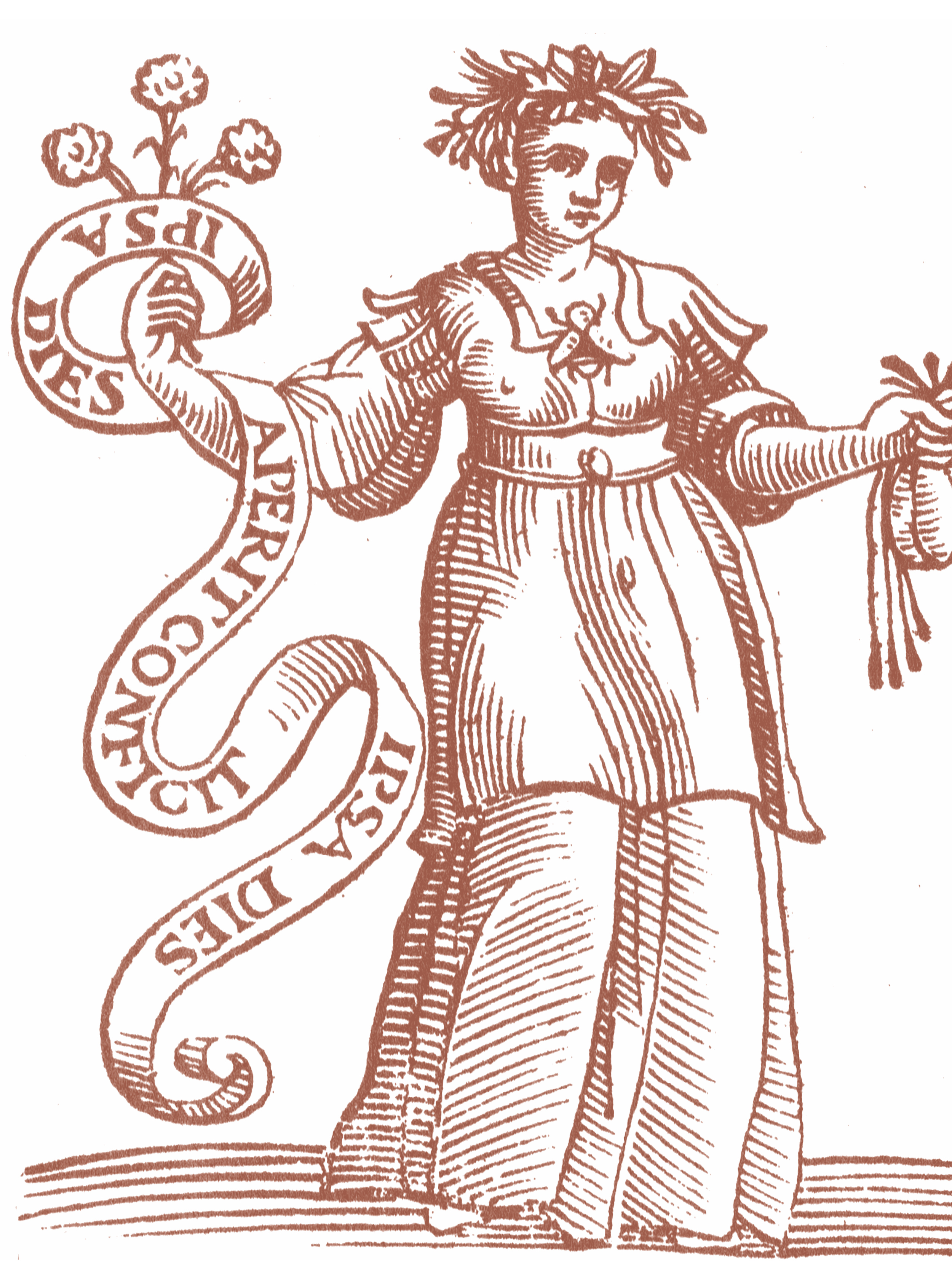
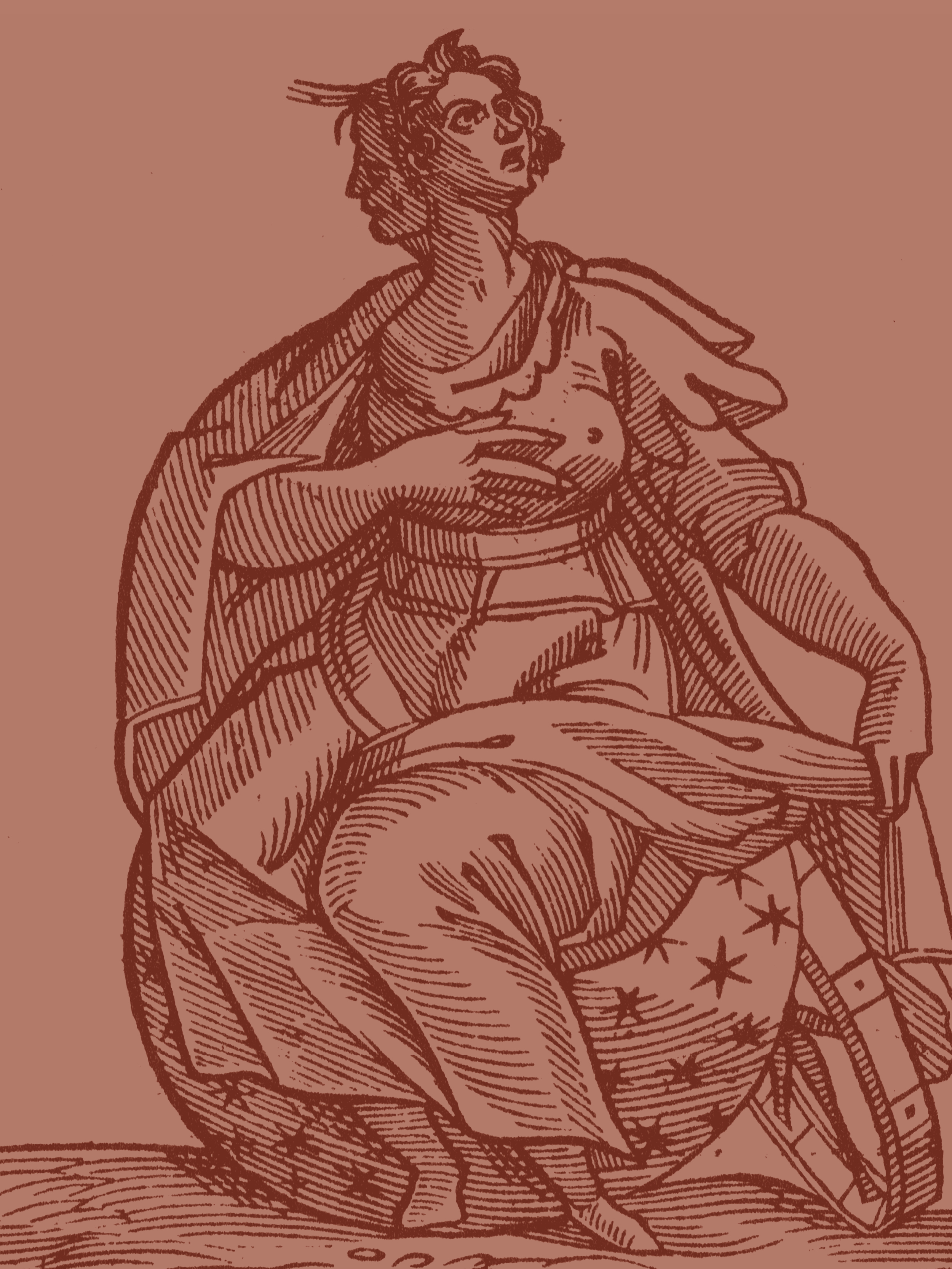
To this day, no original drawings of the monument have been found, but Massimiliano Deza, in the second edition of Vita di Helena Lucretia Cornara Piscopia (1692), provides us with a detailed description of the cenotaph erected in memory of the famed magistra. The use of two registers, various figures arranged on different levels to symbolize Truth and Virtue, and finally, at the center of the upper register, the life-sized statue of Elena which is still preserved today.
The monument represents a mythic-celebratory reconstruction of a figure who, for that era, was a true exception. So much so that already in 1679, the reformers of the University (Studio) issued a sanction to the rectors of Padua to quash any aspirations of future female graduates.
In 1727, due to the Cornaro family’s financial difficulties, Elena’s younger brother Girolamo Baldissera was forced to give up some family assets, and the monument dedicated to his sister was removed from the Basilica of Saint Anthony. It was then taken into care by Caterina Dolfin, a noblewoman and scholar herself, wife of Andrea Tron, Procurator of Saint Mark and university reformer, who arranged for it to be placed within the University of Padua.
Though removed from its original context, the statue remains a powerful symbol: a sculpture of a woman that continues to celebrate her tenacity and intellect, a figure that has defied gender stereotypes for more than three centuries.


The Story of Elena
Born out of wedlock, Elena lived in a somewhat “irregular” social status until the age of eighteen, something that was nearly an obsession for her father at the time. Thanks to the inheritance from Girolamo Cornaro, which included a vast art gallery and a library equipped with mathematical instruments, Elena was able to grow up in a culturally rich environment. The family palace was a key hub for cultural exchange, frequented by scholars, distinguished travelers, and academic circles, as her father Giovan Battista Cornaro was the patron of the Accademia dei Delfici.
From an early age, Elena demonstrated remarkable intelligence and a strong aptitude for study, unlike her older brother Francesco, who chose a different path. In addition to her studies in philosophy, she pursued the customary elements of female education at the time, such as music and singing, revealing her desire to expand her knowledge in many areas. Seeing this potential, Giovan Battista soon envisioned his own social redemption through Elena, hoping to transform her into the “Venetian Minerva.”
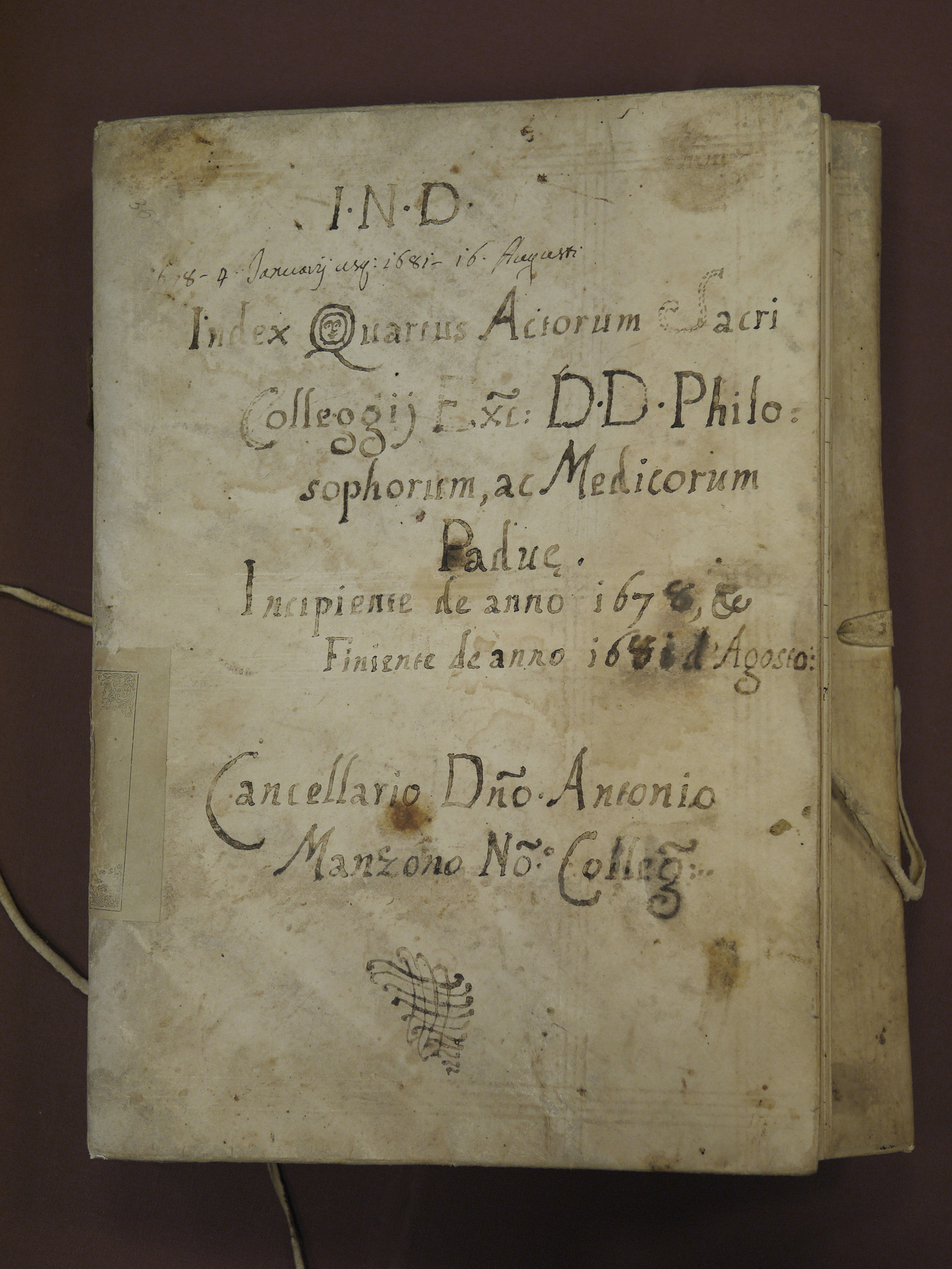
He never changed his mind, however, about marriage. In 1665, Elena took the religious habit and became a Benedictine oblate, though she continued to live in the family home, a life choice she made of her own free will. It was within the walls of that home, where she also chose to cultivate her spirituality, that she met Carlo Rinaldini, a professor at the University of Padua. He mentored her in philosophy and, in 1669, enabled her to become the first woman admitted to the Accademia dei Ricovrati.
Finally, on June 25, 1678, she was awarded the ermine mantle, doctoral insignia, and laurel crown. Elena’s story soon traveled around the world, and over the years she received many distinguished visitors. Due to her fragile health, however, she passed away prematurely in 1684, just six years after earning her doctorate. The story and myth of Elena Lucrezia Cornaro Piscopia remain an enduring example of a love for knowledge, devotion to study, and a life lived in full awareness and in accordance with her own will.