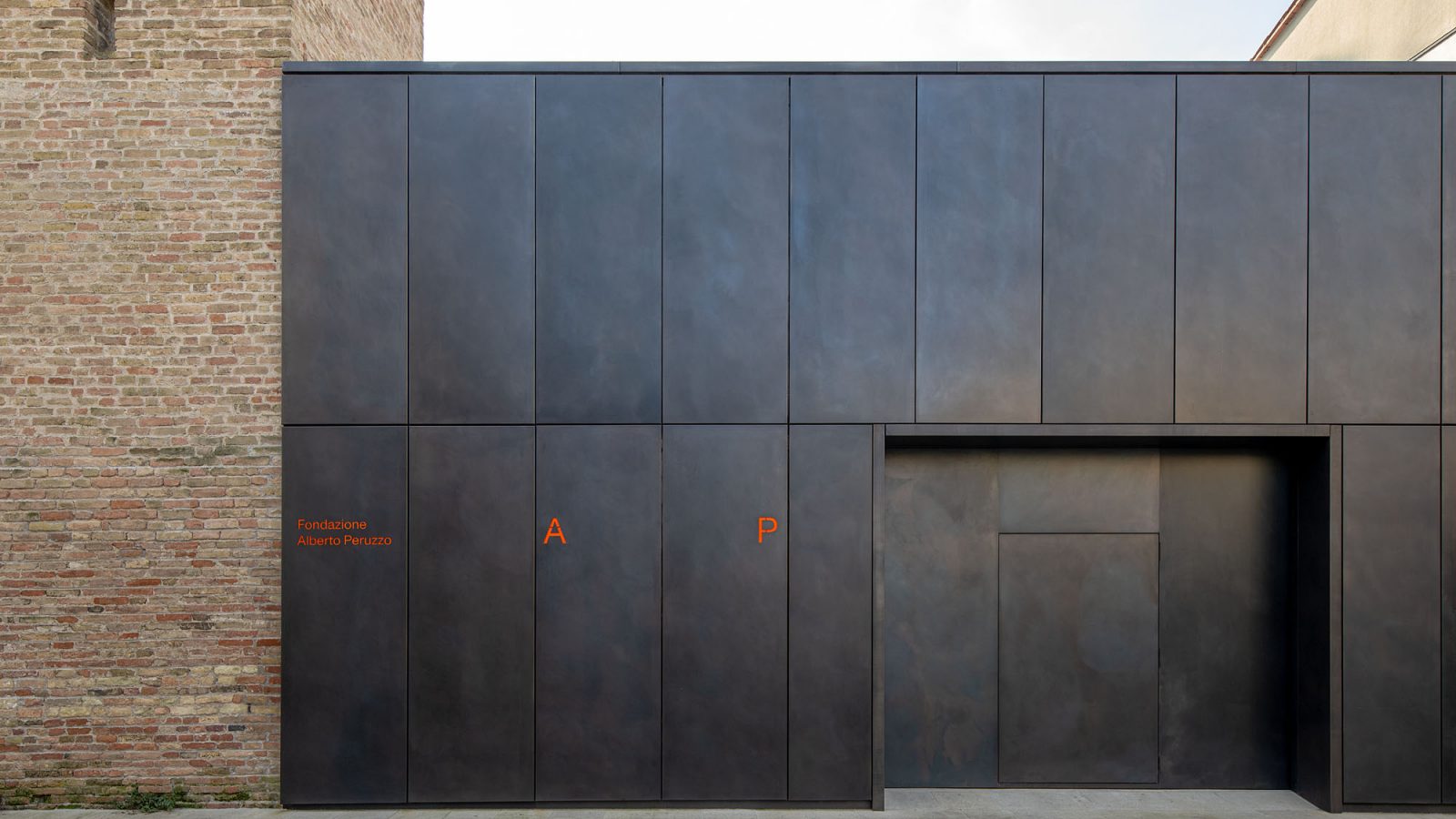
The Barbara Cappochin Foundation has always been committed to highlighting the close connection between quality of life and quality of architecture, a relationship that might seem unusual or even illogical at first, but which proves to be concrete, profound, and essential. This guiding principle drives the Barbara Cappochin Architecture Award, which aims to promote architecture of high quality, capable of integrating human dimension, respect for the environment, appropriate use of materials, and a balance between aesthetics, functionality, and sustainability.
In 2024, the twentieth edition of the Barbara Cappochin International Architecture Biennale saw an extraordinary participation with over 300 works from 33 countries across all continents, an increase of more than 50% compared to the previous edition. This significant rise in entries challenged the international jury to engage with a wide variety of approaches and ideas, especially valuing projects that express inclusivity, environmental sustainability, and respect for social and landscape contexts. Many interventions focused on the functional preservation of original elements.
The awards thus highlighted architecture that requalifies and rethinks places, sometimes abandoned, returning them to use and making them available to the community.
In this context, happily included is the project by Studio Architetti Borchia Associati for the restoration of the former Church of Sant’Agnese, now home to the Alberto Peruzzo Foundation, which received the second regional honorable mention. The project was praised for creating architecture that enabled the reuse of the building as a private museum space open to the city. The intervention successfully established a new relationship with the urban environment while respecting the original structure, reinterpreted through a contemporary architectural language.
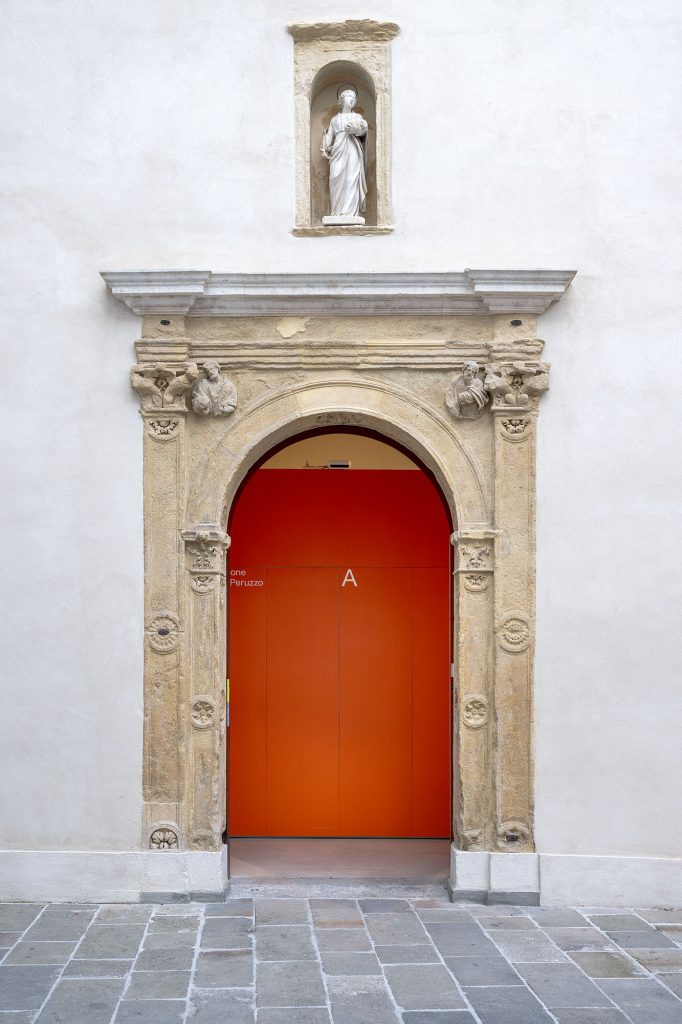
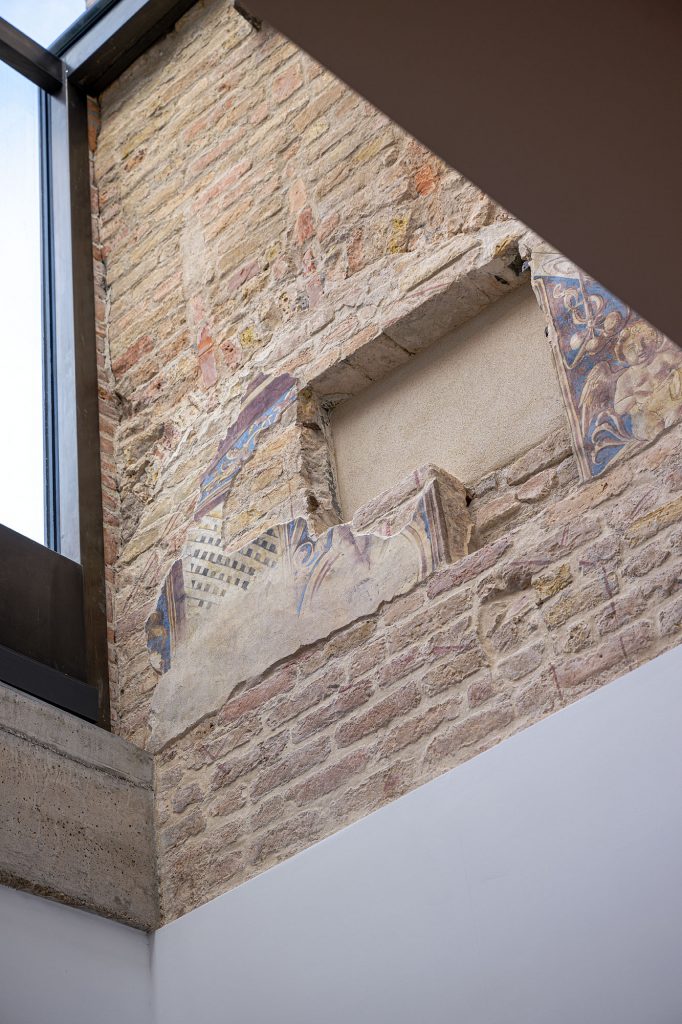
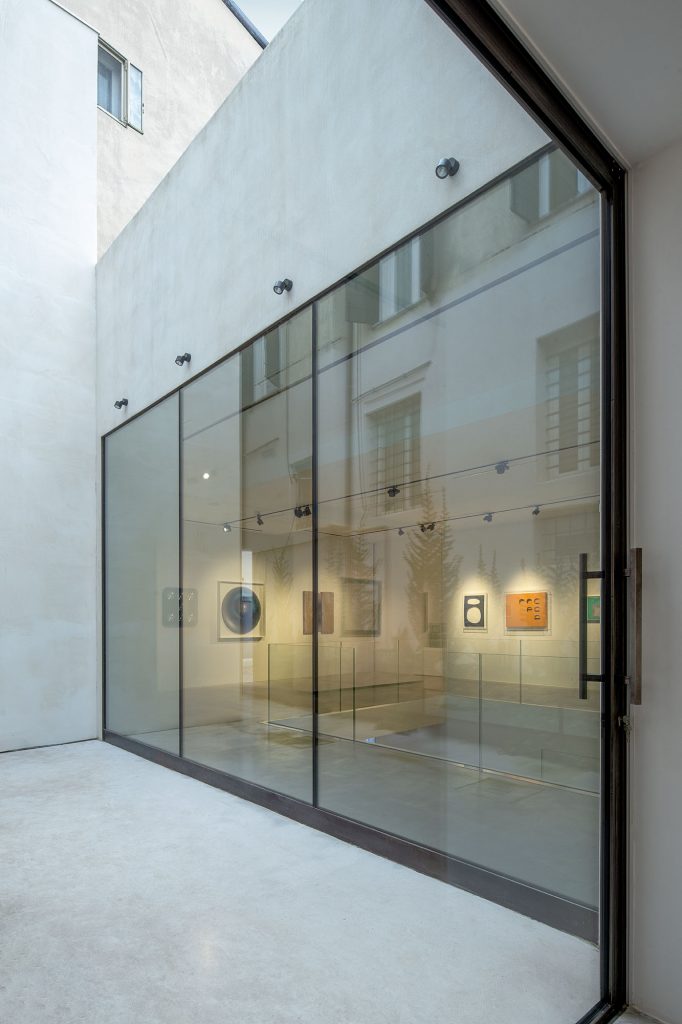
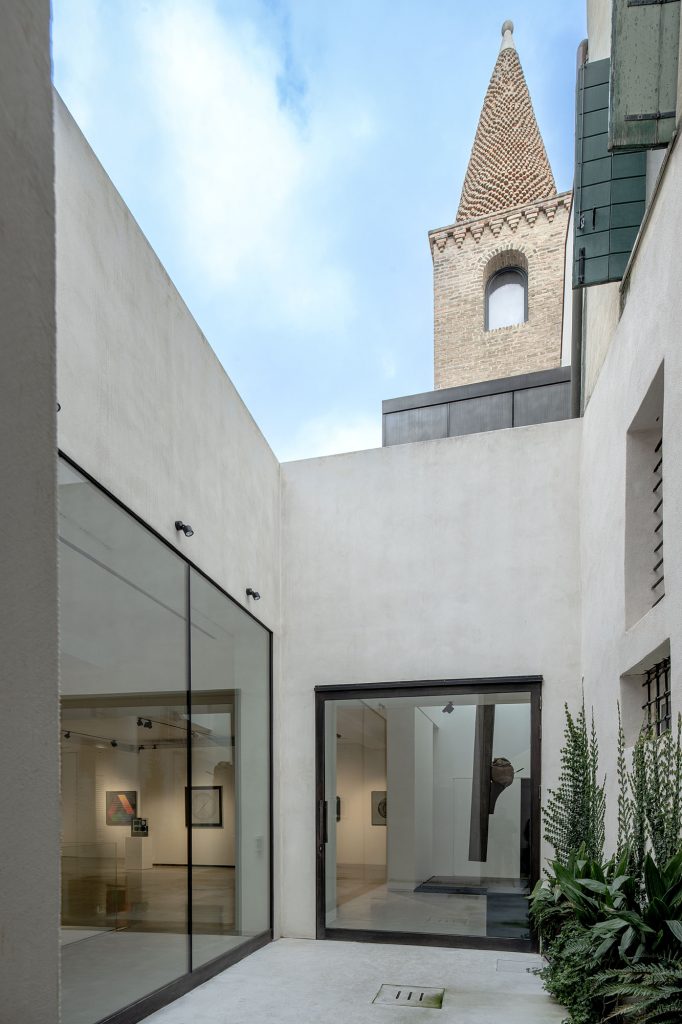
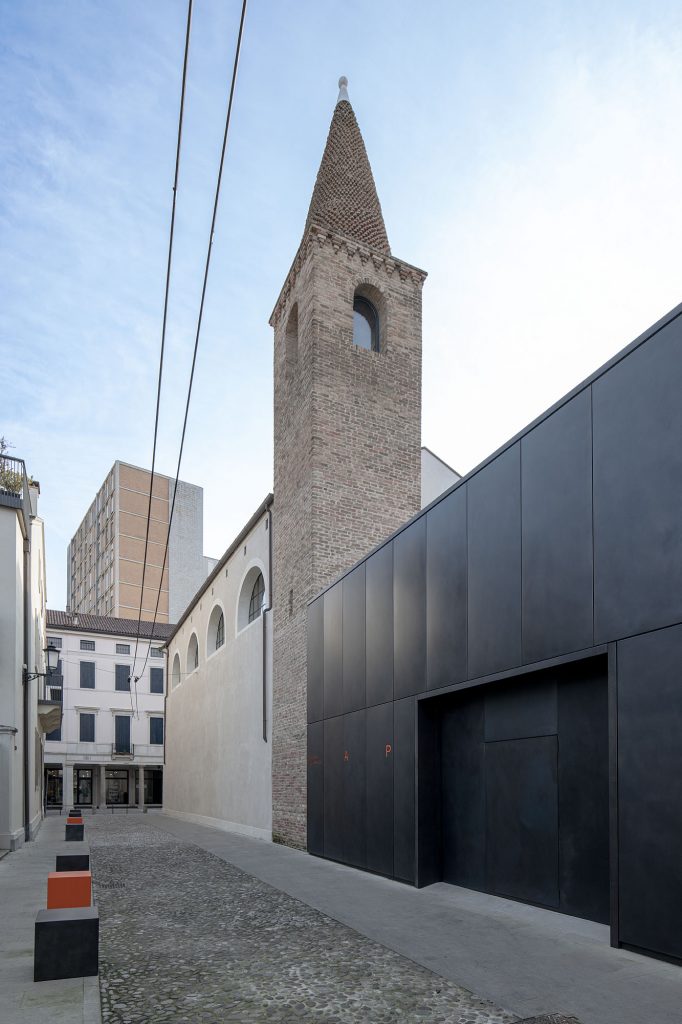
Reading the jury’s motivations regarding the awarded projects, significant words stand out such as aggregation, respect, participation, inclusion, landscape, community, cohousing, and gender equality. Architecture is seen as a means of empowerment—that is, a set of actions and targeted interventions aimed at strengthening individuals’ ability to make choices and increasing their responsibilities by enhancing skills and knowledge.
Jury’s motivation for awarding the second honorable mention to Nuova Sant’Agnese:
Conscious architecture. The restoration of the church, approached from a cultural perspective, is recognized by the jury as an appropriate intervention in the heart of the city of Padua. A “measured” architecture aimed at reusing the building while respecting the original structure through a new language and contemporary materials. Attention is also given to the open spaces and the relationship with light. The restoration project, a typically Italian and regional theme, is focused on safeguarding the compositional design of the façades and the existing structure through the conservative and functional recovery of the original architectural and spatial elements. This is done with a view to a non-invasive intervention that stitches together the transformations and 20th-century insertions, with solutions that in some way also enhance the discontinuity in the use of materials, envisioning a new and modern use of the space.
A closely engaged approach with the challenges of the present, aimed at involving individuals in improving their relationship with the territory and the community. A kind of “applied ethics” to design that demonstrates how choices for a better future are truly possible. Underlining the importance of this edition, Roberto Righetto, President of the Order of Architects, Planners, Landscape Architects and Conservators of Padua, emphasized:
“It is an additional pride to have here in Padua one of the projects awarded the honorable mention. This global scenario of ‘quality architecture,’ offered by the Barbara Cappochin Biennale, can only inspire positive cross-pollination regarding the role architecture should assume in society.”
To complete the cultural journey, the best 40 international works and the top 10 regional projects selected by the international jury were exhibited between June and July 2024 in Padua’s Piazza Cavour, on the architecture tables designed by Renzo Piano.